
My mother was adopted paperless in 60’s South Africa, and my father lost his family to the war in Europe as a child. There has never been much heritage and bloodline, genetically speaking, for me to relate to.
Having children was a blessing I had never counted on experiencing. Yet, I found myself a mother at 21 to a daughter the mirror image of myself.
It changed my life- I finally understood the power of leaving a legacy and wanting the world left a better place, for future generations.
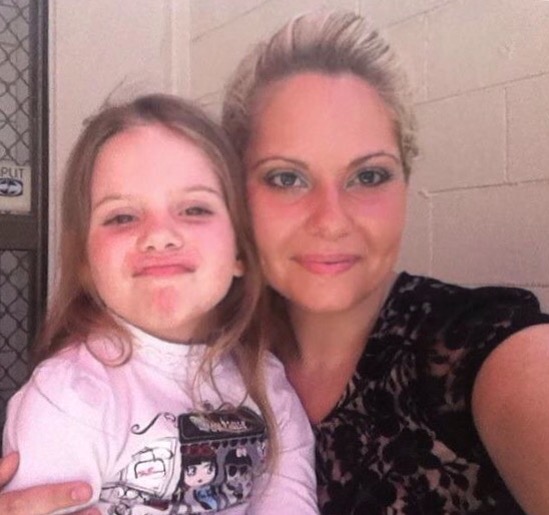
I gave her my surname- only the third in Australia.
I was determined to empower her to be someone special. I would teach her the value of family, and blood ties, her father and I would make the most loving and supportive of grandparents, and she would receive everything I missed out on due to my parent’s geographical lot in life.
I had always believed in the classic fairytale of marriage and 2.5 children.
As age and experience showed me the truth behind many of those ‘happy families’, I chose to let go of my fairy tale in order to be truly happy and healthy. Experiencing separation and subsequent single parenthood was hard. I grieved. I went through a life event that didn’t suit my dreams for the future, dreams I’d had since I was a little girl. I had to let go of thinking, “This isn’t how it’s meant to be.”
After many years, a new relationship and an early stumbling block with a miscarriage, her new brother Parker arrived in 2013.
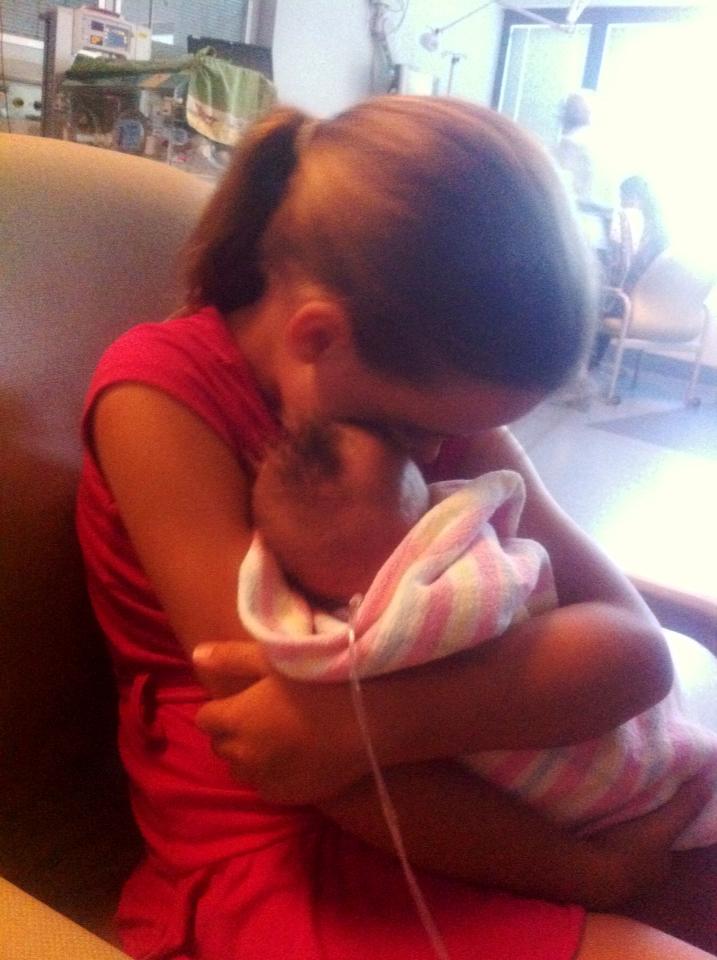
My world changed a little more. Not only did we discover he had Down syndrome, I was unlikely to have more children after my pigeon pair. I found myself back in that familiar and somehow comforting place called ‘single parenthood’. It was patiently explained to me that ‘I know you were really good at being a single mum, you’ll be fine this time too’. ‘If you don’t think you can do it, get rid of him then.’
I cried for many long hours on the shower floor in the hospital after his birth. My grief didn’t all stem from his future disability and my new marital status, as much of a shock and adjustment process that all was. This was my sweet baby boy I’d wanted for so long. But he would never have children. Part of his diagnosis, rational or otherwise, was the potential end of the road for the little dynasty I’d planned. And it hit me hard.
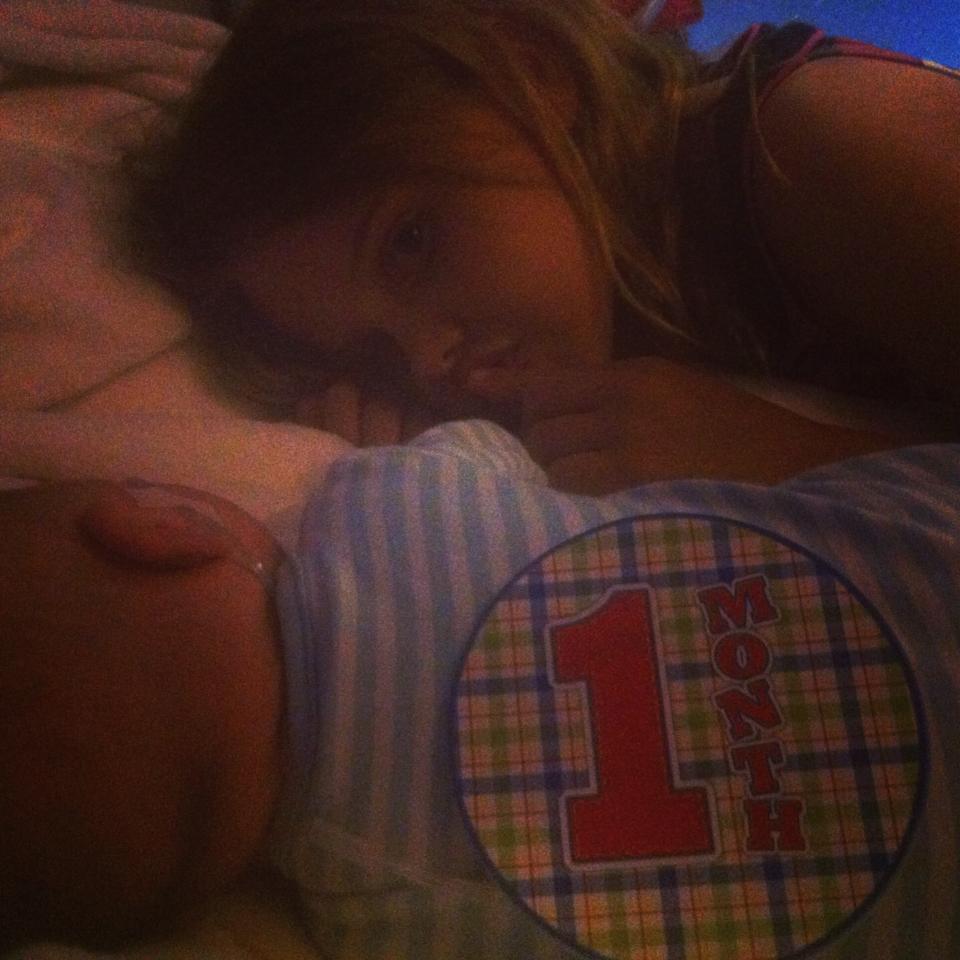
As the first year of Parker’s life passed, much changed.
I met the love of my life. I learned how to love children who weren’t my own. I discovered how valuable, appreciated and loved my close friends truly are.
I discovered the value in using my words to help people explore their own similar experiences.
I received an email from a woman. She was unable to have children at all. None. Not one with Down syndrome, not a little girl her spitting image, not even my little perfect package I lost in my first trimester and never named. She was unable to experience the joy of carrying a baby and passing on her genetic line.
She had Turner syndrome.
While symptoms are few and far between, compared to a Trisomy or more serious genetic conditions, in many cases the women who have Turner syndrome experience fertility issues.
I got to know her, and listened to her cheery voice on the phone. I learned her story of failed IVF- a sadly common story of expense and babies that never eventuated. She was blessed to have had a close friend donate eggs. Her and her husband used them to attempt a pregnancy and start their little family. It failed, and all she told me of was her love for being given a gift- an attempt at new life. There were no regrets in her story.
I met her, and watched her gaze at her new husband with nothing but love in her eyes, tell anecdotes of meeting his parents for the first time, and let her comfort me for months every time my son’s surgery was rescheduled or I had a houseful of sick children. Problems she hadn’t ever had the chance to experience for herself.
I found myself in a counsellor’s office with both her and her husband, my supportive partner at my side.
Then I went to a fertility clinic. A specialist held my hand and took me through the process- 12 days of daily needles in the stomach, my worst fear. Pages and pages of paperwork, which I hastily scribbled out while still at the clinic. Syncing cycles with her, a short procedure on both my ovaries under a twilight anaesthetic, and the chance to be a parent for a husband and wife who had spent their lives coming to terms with their life not fitting the stereotypical story, the story of ‘How it’s meant to be’.

It’s not a hard process, or a long one. I’ve known her for almost a year, but the whole process and our actual cycle will take around 4 weeks. To donate eggs, I simply undergo IVF and the end transfer happens with a different womb. The odds of our success are very high- she is healthy and young, and so am I, at 30.
She might have a little girl. Her daughter might look exactly like me, or perhaps her husband or mother in law.
She could have a little boy, my genetic son. My bloodline could be passed on, through another complete family. I could potentially watch my alternate reality- they could have their 2.5 children and stay happily married and retire and watch their grandchildren grow.
I will get to watch it all play out on her Facebook, as I scroll my feed and a version of my face on a child pops out that I’ve never photographed. I might be at birthdays in the future, because we’ll always stay in touch. My daughter already calls their future donor children ‘egg brothers’ and ‘egg sisters’.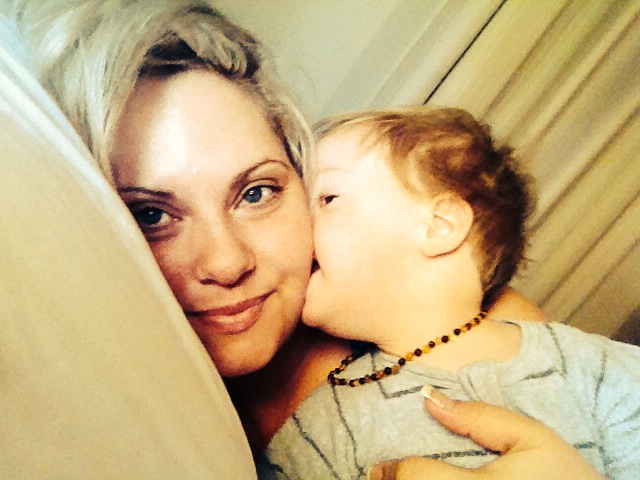
But one thing I will never do, is regret this choice.
Because I finally understand the power of leaving a legacy and wanting the world left a better place, for future generations. It doesn’t matter who your birth mother and father are. It doesn’t matter what’s in your DNA. Genetics are irrelevant- having my son with Down syndrome has taught me that.
 parkermyles.com